Latest articles
Frameworks and analysis for securing AI agent systems in production.

LLM Security Taxonomy and Controls Reference: The OWASP Framework Your Threat Model Is Missing
A practitioner's walkthrough of all ten OWASP LLM categories, mapped to enterprise security tooling, with implementation checklists for secure LLM deployment.

AI Security Fundamentals
An architectural foundation for AI security covering the system-level attack surface, protocol security for MCP and A2A, prompt injection defense patterns, data security for RAG and fine-tuning, agentic AI controls, and the governance requirements emerging around autonomous systems.
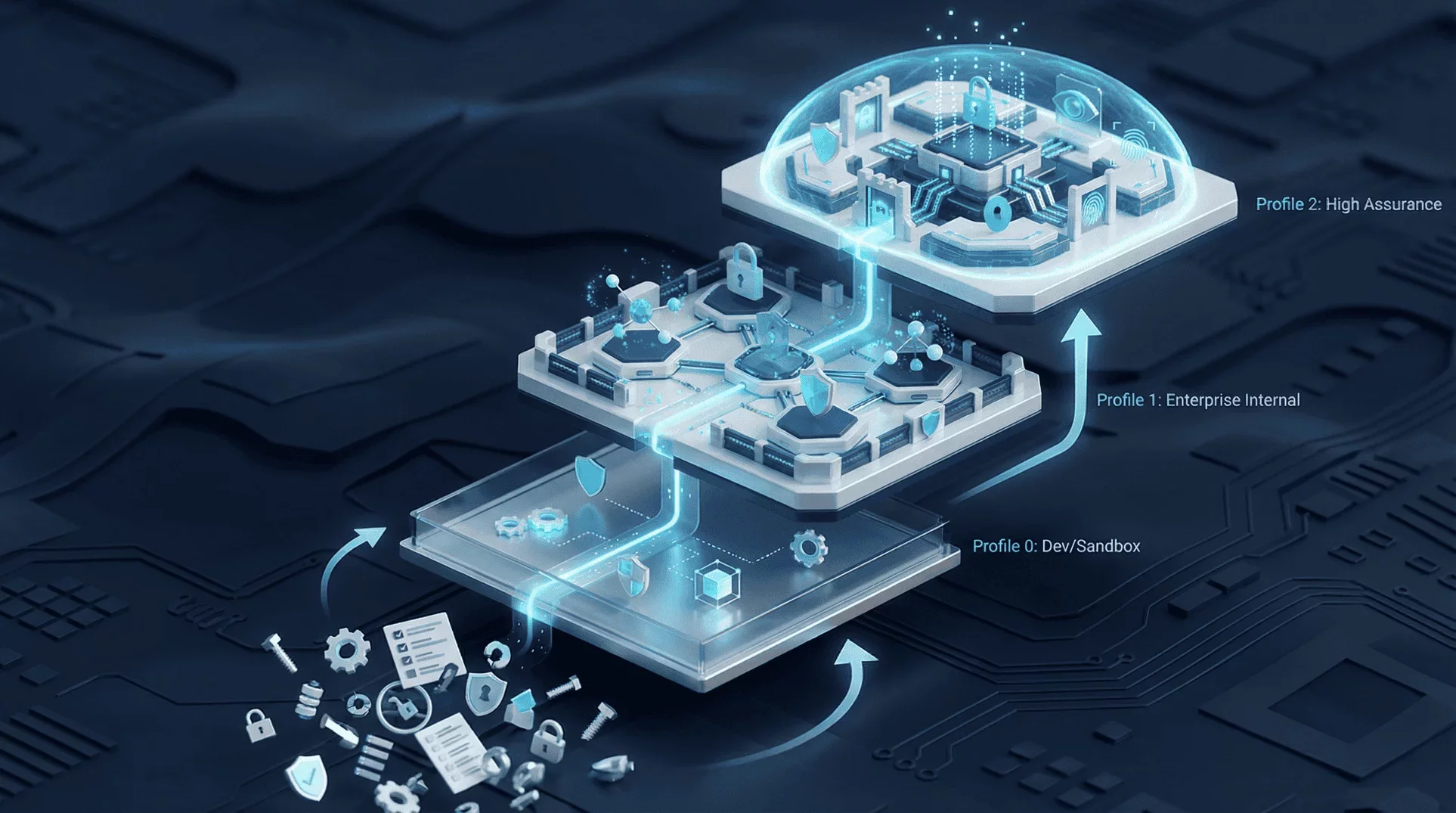
Shadow AI Agents Are the New Shadow IT, Except They Have Shell Access: A Security Architecture Guide for the Unmanaged Agent Crisis
The OpenClaw crisis revealed what security teams feared: autonomous AI agents with filesystem access, credential storage, and production system connections are proliferating across enterprises without governance. This guide provides the detection methodology, containment architecture, and policy framework for an exposure class that traditional security tools cannot see.

The AI Agent Security Maturity Model: A Five-Level Framework for Enterprise Readiness
Enterprise AI security has no shared maturity model. Traditional frameworks assume deterministic applications. AI agents are autonomous, context-dependent, and protocol-diverse. This framework gives CISOs and security architects a single assessment tool for evaluating and improving their organization's agent security posture across identity, protocol, data, communication, and governance.

MCP Security Architecture: Authentication, Authorization, and Supply Chain Controls for the Protocol That Connects AI to Everything
The definitive MCP security reference. OAuth 2.1 coverage and gaps, authorization patterns for tool calls, manifest pinning, server allowlisting, supply chain audit methodology, rug pull defenses, and CVE remediation guidance.
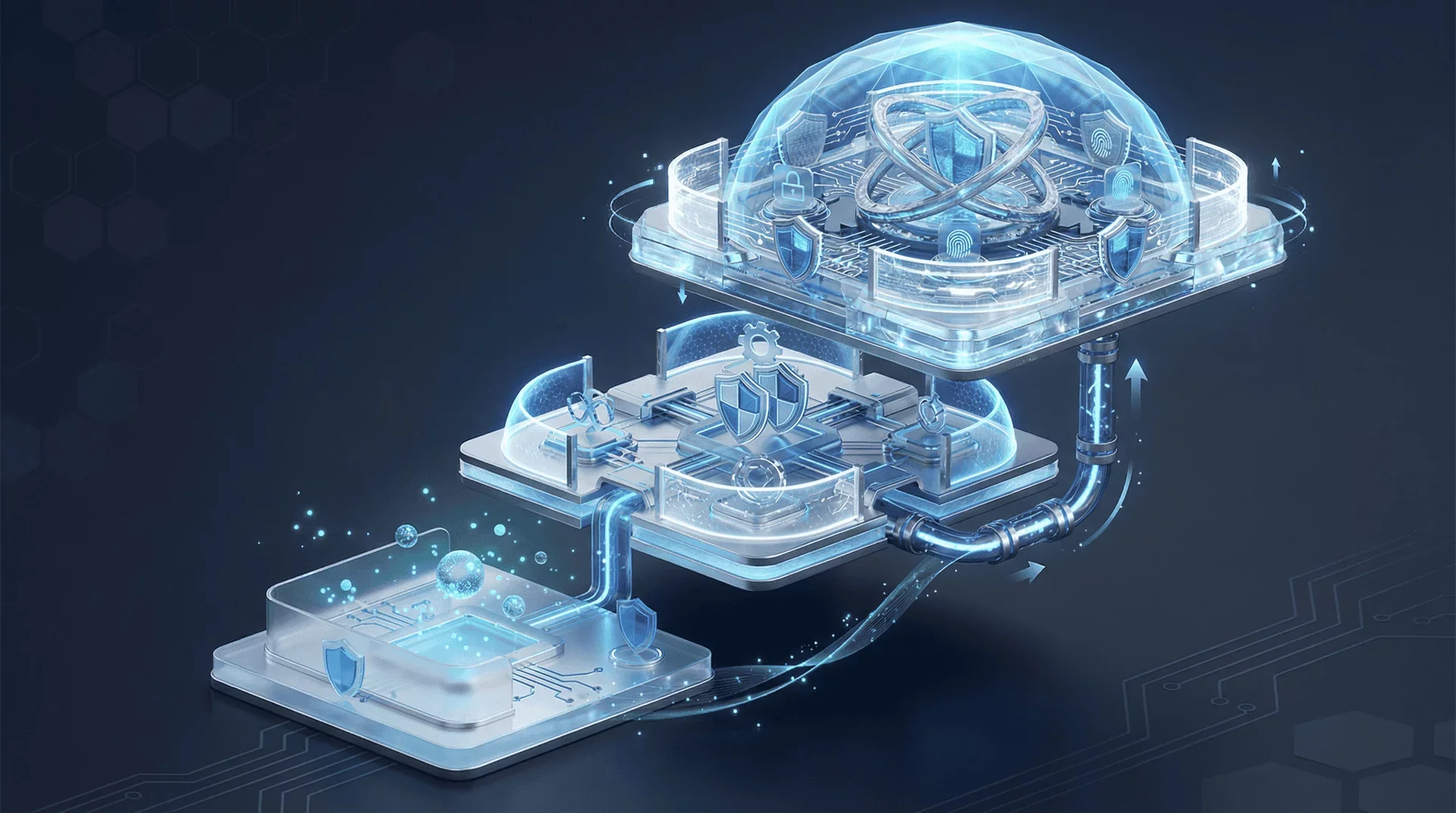
AI Agent Identity Architecture: From Service Accounts to Identity Propagation
Why service accounts fail for AI agents. OIDC identity propagation reference architecture. OAuth 2.0 On-Behalf-Of flow implementation. Active Directory audit checklist for non-human accounts. SIEM configuration for agent identity monitoring. Decision matrix for when service accounts remain acceptable.

Trust Budgeting Framework for Multi-Agent Systems: Managing the Tradeoff Research Proved You Cannot Eliminate
The mathematical case for trust budgets. Implementation methodology. Agent pair trust scoring. Authorization drift detection. Minimum Necessary Information gate design. Swarm isolation architecture. Over-Exposure Rate measurement. Decision framework for trust calibration.

Agent-to-Agent Communication Security Patterns: Defending Against Session Smuggling and Conversational Manipulation
A2A threat model reference. Session integrity verification. Behavioral baselines for agent communication. Session context change detection. Instruction-level logging architecture. Sandbox testing methodology. Cross-vendor agent handoff security checklist.

OpenClaw Hardening Reference: Network Isolation, Identity Scoping, and Input Trust Boundaries for Autonomous Agent Deployments
For the security architect, platform engineer, or tech lead who needs a defensible answer when "ban all personal agents" stops being tenable policy. A minimal hardening reference for OpenClaw deployments.